Mar 27, 2013
Mar 26, 2013
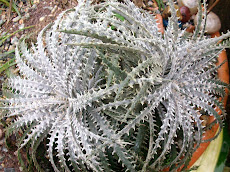
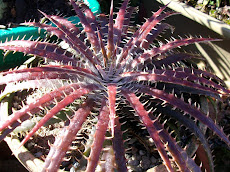
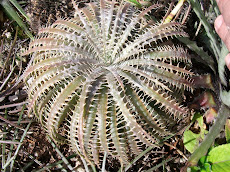
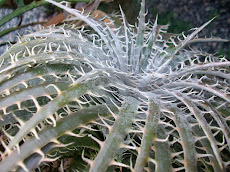
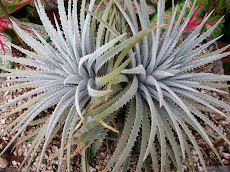
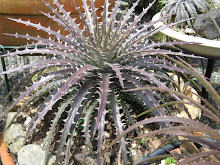
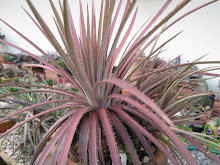
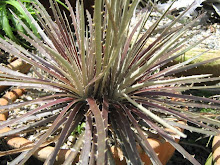
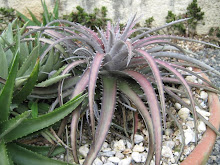
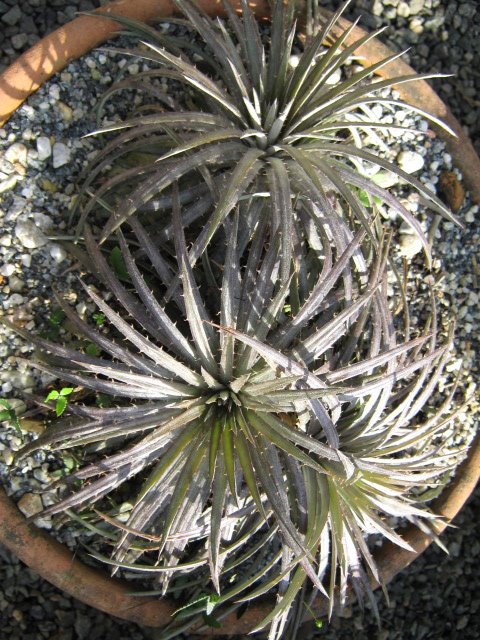
My eyes can´t go away from this .......
You´re just too good to be true, can´t take my yes off you....
..the sight of you makes me weak..and if you feel like I feel...
The thought of you leaves leaves me weak...
http://www.youtube.com/watch?v=PzpWKAGvGdA
.
Mar 25, 2013
Mar 24, 2013
Mar 23, 2013
Mar 22, 2013
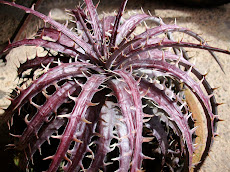
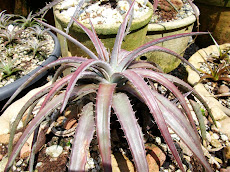
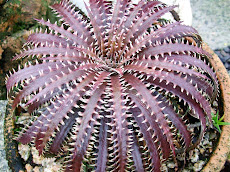
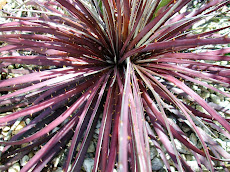
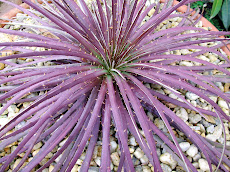
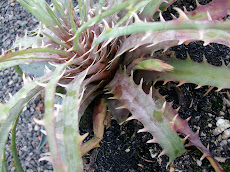
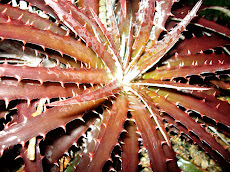
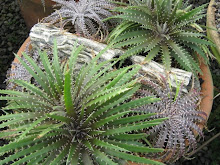
Dyckia reitz rubra getting ready to be red
Yes, ready to be red.
Redden and getting redder every day.
I t will be showy red wine soon....what a show!
.
The beauty is a beast or the beast is a beauty?
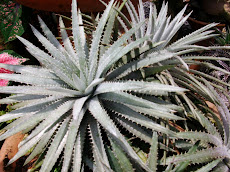
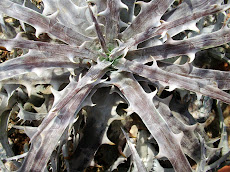
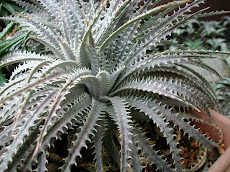
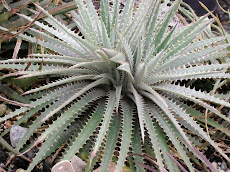
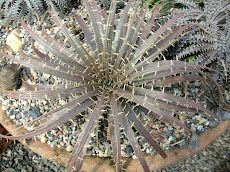
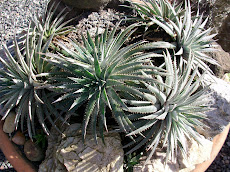
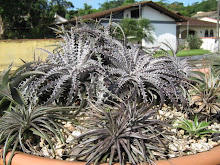
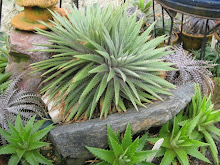
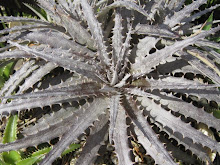
Dyckia excelsa
Native to Mato Grosso, this plant presents many, many variations.
Red, wine and red wine ochre, green and all in between!
Large conspicuous teeth, long ones, small ones...
Pure genuine white one has being found in nature lately.
Science hardly climbs the rock, others do the dirty job,
and when it climbs the rock it usually finds the new.
When we go there we search for the fanciest,
the most spectacular, the only one, unique.
This makes quite a difference.
The plant we here above and below is a vine excelsa plant.
Here, in my garden it takes all the rain without any protection.
In its habitat it takes much less rain and it keeps itself even whither than it shows here.
Below a plant I received from my very special Gringo friend, My Howdy one!
We shall shake hands and Brazilian hug!
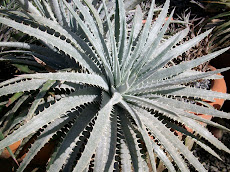
Look my Friend, below the sprout you send to me last year.
It is a very special Dyckia excelsa, a one found amid many many...a special one.
Ok, it is too young and I need flowers for excelsa flowers are unique.
But...but it well may be a excelsa hybrid, a bettering....
In any and every way the plant is a show!
Thank you! I Brazilian hug you!
Mar 21, 2013
Dyckia goehringii
Dyckia goehring is a stolon producer and its stolons are aerial ones.
They won´t produce roots unless induced to.
This is naturally promoted by the detaching the stolon from its mother plant.
While attached to its mother the stolon is a lazy one to produce its own roots.
Also, its roots are not produced anywhere but only in its "belly", the part of the stolon that touches the soil.
If you bury the stolon most probably you will loose the plant by fungi attach and then roting the whole thing.
The wiser to do is to lure the plant by imitating nature keeping the unrooted stolon on top of the substrate and keep it well fixed using a metallic clip you can make yourself using a piece of any wire.
.
Dyckia delicata aurea
The golden delicata is a very small plant aone one of the rarest Dyckia.
It grows on the very same hill close to Barros Cassal in Rio Grande do Sul where delicata type and delicata type rubra are found. Aurea is just seen by mortals as me from down below as it is virtually impossible to climb up the vertical wall as it is made of very loose rock (not granite).
This only one plant I have never, set any sprout as does any real delicata.
Delicata crosses as the most splendored Dyckia hb Liz Taylor does.
Dyckia choristaminea Morro da Fumaça
The narrowest leaves in a Dyckia.
For sure this is a nature marvel.
Grows on a rocky hill close to Porto Alegre, the biggest city in South.
This granit rock mountain is known as Morro da Fumaça (Smoke Hill).
This plant grows within rock cracks where organic soil is formed by the debris brought from up above by rain water. It is also found amid patches of low grasses.
This plant can stand low temperatures below freezing.
Always have in mind ice as well ice cold temperatures in Brazil hardly ever stands till noon.
Plants do not stay frozen days in a row.
.
Subscribe to:
Posts (Atom)