Jun 6, 2014

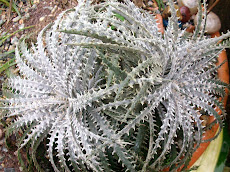
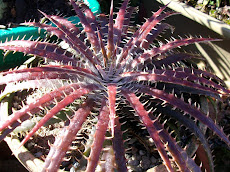
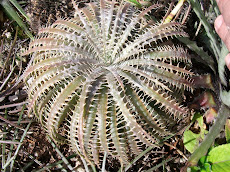
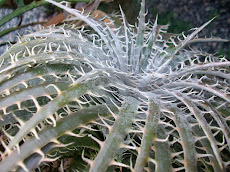
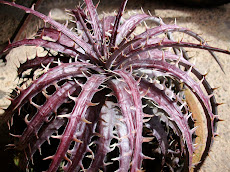
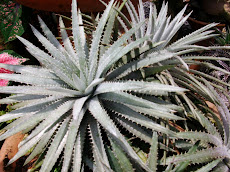
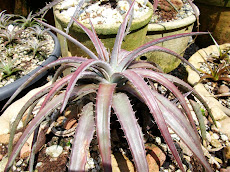
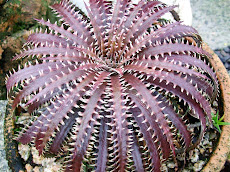
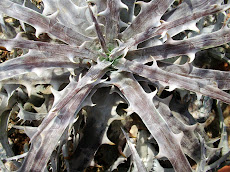
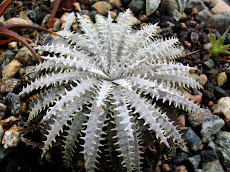
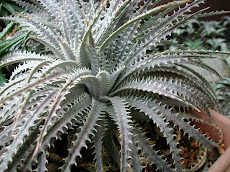
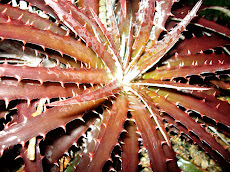
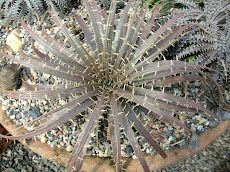
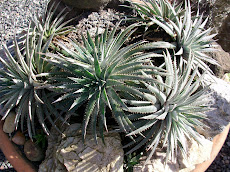
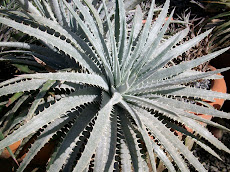
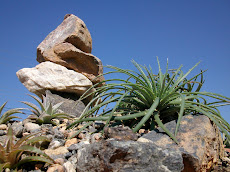
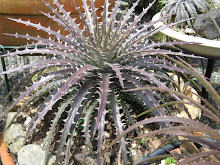
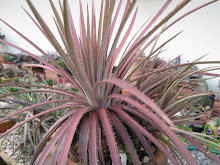
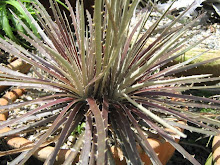
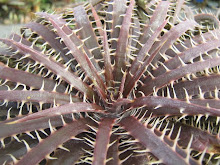
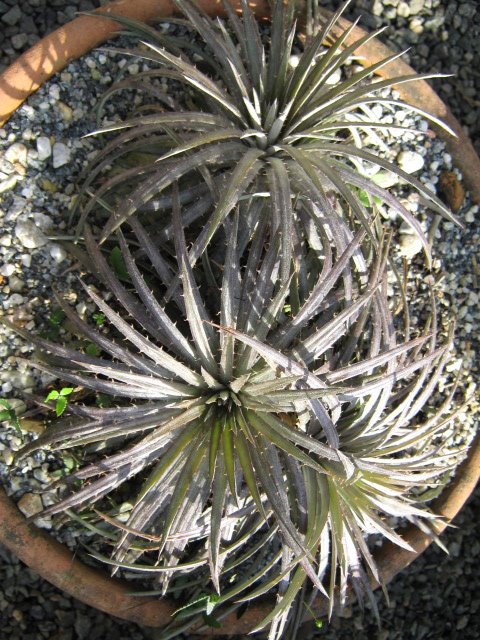
Dyckia excelsa


Dyckia excelsa


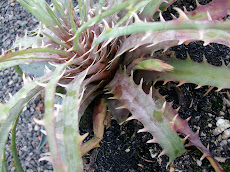
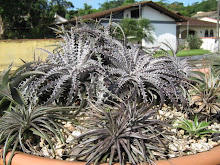
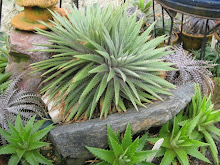
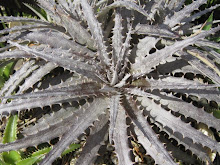
Native to Mato Grosso in Brazil these plants can present several colors and also be as white as this one.
It is also capable of living happily on bare rocks.


.

Dyckias can hapilly grow on bare foot...and prosper.


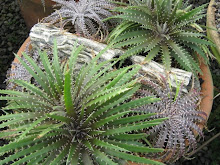
Dyckia brevifolia mounts growing happily on a wooden reel
This is a table made  of an old wooden reel.
Dyckia brevifolia mounts were put on this table in open air and without a trace of substrate.
Plants attached to the wood and continue to live and prosper.
Dyckias are adapted and well capable of leaving on bare rocks.
They remove nutrients from the air and rain .
These plants are here for more than two years.


.

Jun 5, 2014

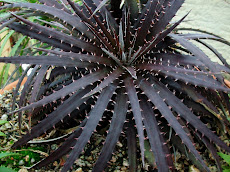
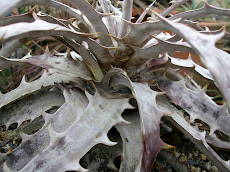
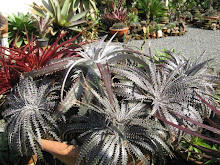
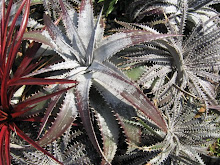
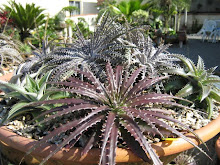
The many many looks of true true true Dyckia delicata....


Dyckia delicatas all you see here and everyone.
Dyckia delicata they are more than you imagined and they still have more to be found and showed...

 
All Dyckia delicatas, all true ones!


Dyckias even those fro a very same species do not present the very same looks!!
Dyckias are old plants and they are being vanished from the face of the planet.
their role as living beings is coming to an end and naturally.
Dyckias bring elements to the rock or sandy field as nutrients and these are used to other plants as bushes and trees. Dyckias are colonizer plants.
Dyckia delicatas are found on bare sun exposing rocks and literally within the forest.
This makes delicata to present a infinite number of appearances and looks.
Those within the bushes are huge, greener and those exposed are whiter and smaller, thin leaves...
All these differences are changes and adaptations already registered in the genetic code of these plants.
Delicatas are performing their last act, the final play.
Ok it will last some many years but all this transformations are pretty visible and noticeable.
As I say: we barely begun to understand Dyckias.
Scientists normally use one plant look and see just this one.
sdome Dyckias were described using a single plant, others scientists do not knew where they came from and so on and on.
We must visitt the region many, many times..in Winter, summer, during rainy season and dry times.
Most Dyckia describers never set a foot in Brazil or close to here.


.


If one looks for the best looking and the intriguing unsual Dyckia delicata is a true feast.


...and there exist many many more looks to be found.
...and I willl.


.

Jun 4, 2014

The new newfound Dyckia species from Rio do Sul-SC


 It grows on the Three Peaks Mountain ( Tres picos) in Rio do Sul, Santa Catarina, my born town.


.

Dyckia pottiorum


.

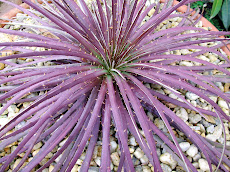
Dyckia retzii rubra fortaleza, this is the queen of the hill, top of the list!


 Dyckia reitzii rubra Fortaleza


No doubt a queen and what Queen!
It lives high up the  mountains right in the border of Fortaleza Canyon
right where Santa Catarina and Rio Grande do Sul meet.
It is used to bath in mist every day several times a day. it can take mild frosts and this turn it even beter looking. 


This plant is under my friend Djenes Dalfovo care.
 One of the best, very best of all Dyckias.
(controlled self fertilized seed are obtained by request)


.

Jun 3, 2014

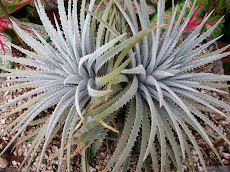
Dyckia incana


 Incana means white and this is what it is...and also beautiful, of course.
A perfection in any windowsill.


.

Jun 2, 2014

Star spreading the news....I posted it today...

Controlled Dyckia reitzii rubra seeds...dreams can come true.

Dyckia retzii rubra, The Queen of the Hill


I have, (and you can have by request), self controlled pollinated seeds.
Ask for them by emailing me:


Nothing compares to this queen of the hill, top of the list.....


.

Jun 1, 2014

Dyckia Liz Taylor, what a transformation!


Dyckia Liz Taylor
A Dyckia delicata hybrid I made myself .


Liz Taylor has pinkish nails.


Liz Taylor never bloomed and the oldest ones are showing  a clear intention of so, now.


Oh, yes nails are soft.


See the unmistakable transformation  Liz Taylor passes throught.
The young ones are green and barely resemble the mature ones.


Young Liz Taylor.


.

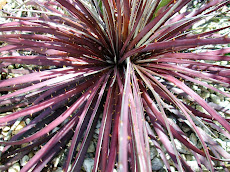
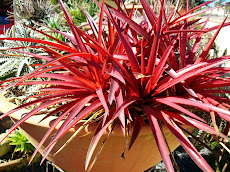
Dyckia gloriosa. Yes, species!
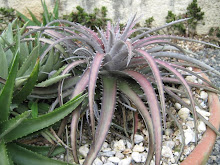

The log narrow colorful leaves of gloriosa  make it a sight to behold


.